Water Lily Harvest
Mukesh Kumar
| 01-06-2026
 · Lifestyle Team
An aerial photograph of rural women harvesting water lilies in Moc Hoa district feels peaceful at first glance, but the scene holds much more than beauty. Lykkers, from above, the boats look like tiny brushstrokes moving through green water, while the workers follow a rhythm shaped by seasons, skill, and quiet teamwork.
This is a lifestyle story about patience, nature, local knowledge, and the graceful art of turning wetland plants into livelihood.
See the Wetland Rhythm
A water lily harvest is not random movement across water. It is a careful routine built around timing, balance, weather, and deep familiarity with the wetland. When you understand the process, the image becomes richer and more human.
Read the scene from above
From the air, the harvest may look like a painting. Long boats move between floating leaves, women bend toward the water, and pale flowers dot the surface like little stars. But each line in that picture has a purpose.
You can notice how the boats create narrow paths through the plants. You can see how workers keep distance from one another so each person has room to gather. You can also see how the water itself becomes a workplace, not just scenery.
This kind of photograph teaches visual patience. Instead of glancing once, let your eyes travel slowly across the frame. Where are the boats? Where are the thickest plants? Which areas look recently harvested? The more you look, the more the quiet pattern appears.
Understand why timing matters
Water lily harvesting often depends on season, water level, and plant growth. Workers usually know when flowers and stems are suitable for collection by experience rather than guesswork. Too early, and the harvest may be small. Too late, and quality may decline.
This is useful lifestyle wisdom too. Many good things depend on timing. Plants, food, travel, work, and rest all have better moments. The women in the water are not rushing the wetland. They are working with its natural schedule.
Lykkers, that is a calm lesson for busy lives: not everything improves by forcing speed.
Notice the skill in balance
Harvesting water lilies from a narrow boat takes steady movement. The worker needs to reach, gather, sort, and place plants while keeping the boat stable. That sounds simple until you picture doing it on moving water.
Balance is not only physical. It is also mental. The work asks for focus, patience, and awareness of surroundings. One careless movement can disturb the boat or damage plants.
You can borrow this idea in daily routines. When a task feels repetitive, try doing it with more attention. Cooking, gardening, cleaning, walking, or arranging flowers can become calmer when you treat movement as skill instead of hurry.
Respect rural knowledge
Rural work often carries knowledge that outsiders overlook. People who harvest from wetlands understand water depth, plant texture, weather signs, safe routes, and seasonal changes. This knowledge comes from repeated practice, not quick instruction.
An aerial image may look artistic, but the people inside the frame are experts in their own environment. Their work connects land, water, food, income, and family life.
When viewing scenes like this, respect the labor behind the beauty. A graceful photograph can still show demanding work.
Think about community teamwork
Harvest scenes often show shared rhythm. Workers may move separately, but they are part of a larger routine. Some gather, some sort, some transport, and some prepare items for market or cooking.
Teamwork here is quiet. It does not need grand speeches. It appears through repeated actions, shared timing, and practical cooperation.
You can apply this to group projects, family chores, or community events. Clear roles make hard work smoother. When each person knows their part, the whole task feels lighter.
Bring the Lesson Home
You do not need to live beside a wetland to learn from this scene. The water lily harvest offers practical ideas for mindful living, nature appreciation, local food awareness, and meaningful photography.
Try slow looking
Pick one nature image or outdoor view and study it for three minutes. Do not rush to describe it. First notice colors. Then notice shapes. Then notice movement. Finally, ask what human or natural story might be happening there.
This exercise works well with children too. Ask them what they see first, what they notice second, and what detail feels hidden. It turns a picture into a small adventure.
Slow looking makes everyday life feel less flat. A market, garden, riverbank, or field can hold more stories than expected.
Learn where food begins
Water lilies and other wetland plants can be part of local food traditions in many regions. The image reminds us that food often begins far from polished shelves. It begins with people working in heat, water, mud, wind, and changing seasons.
You can build a small food-origin habit at your table. Choose one ingredient each week and learn where it comes from. Is it grown in soil, water, trees, or vines? Who harvests it? What season suits it best?
This simple practice makes meals more meaningful. It also encourages respect for workers and ecosystems.
Create a floating garden mood
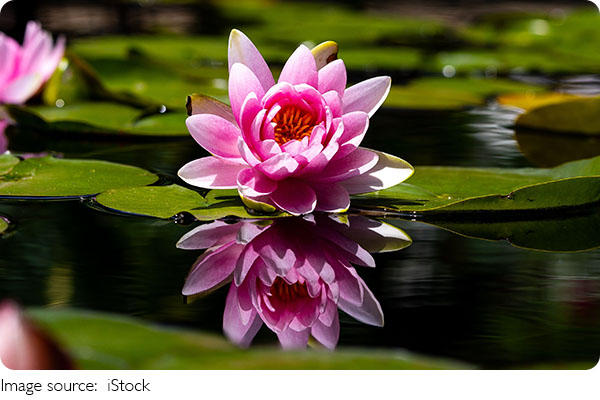
If you love the beauty of water lilies, you can bring a gentler version into your own space through water-inspired decor or container gardening. A small outdoor water bowl with safe aquatic plants can create a calm garden feeling where local rules allow it.
Choose plants suitable for your climate and container size. Keep water clean, avoid spreading invasive species, and ask a garden center for region-safe options. Even one floating leaf can make a patio feel more peaceful.
If plant care is not practical, use a water lily theme in a journal page, painting, table setting, or calming corner. Soft greens, pale pinks, and water-blue tones create a relaxed mood.
Practice mindful handwork
The harvest scene celebrates hand skill. You can echo that through simple handwork activities: arranging flowers, folding cloth, sorting seeds, weaving paper, or preparing vegetables carefully.
Set a ten-minute handwork ritual. Put away distractions, choose one small task, and do it slowly. Notice texture, rhythm, and movement.
This is not about productivity. It is about reconnecting mind and hands. Many people feel calmer after doing something tactile and focused.
Tell better travel stories
If you visit rural regions or wetlands, look beyond the most beautiful view. Ask what people do there, how seasons shape life, and what local customs surround plants, water, or harvest.
Travel becomes better when you respect everyday work. Instead of collecting only pretty photos, collect understanding. Who maintains the landscape? What skills are needed? What changes during rainy months or dry months?
This makes travel more thoughtful and more memorable.
Photograph with care
Aerial photography can create stunning patterns, but ethical viewing matters. People are not decorations inside a landscape. If you photograph workers closely, ask permission when possible, respect privacy, and avoid interrupting their work.
For your own photo practice, focus on pattern, light, and story. Shoot from a respectful distance. Capture hands at work, boats on water, reflections, or the contrast between flowers and leaves.
A good image should respect the scene, not take from it.
Use the harvest as a life reminder
The water lily harvest shows a balanced way of living with nature. The workers do not command the wetland. They follow its season, move through it carefully, and gather what it offers.
That idea can guide modern life. Work with your energy instead of ignoring it. Notice changing seasons. Share tasks. Respect quiet skill. Find beauty in useful work.
Lykkers, a floating harvest may look gentle, but it carries strong wisdom.
The water lily harvest in Moc Hoa district is beautiful because it combines nature, skill, patience, and community rhythm. Lykkers, when you look closely, the aerial scene becomes more than a pretty view. It becomes a practical lesson in timing, respect, mindful work, and the quiet dignity of rural life.