Cat Tail Talk

Caleb Ryan
| 19-05-2026
 · Animal Team
Cats do not use words to express how they feel, yet they communicate in a surprisingly clear way. One of the most expressive parts of their body is the tail. While we often focus on expression on the face or sounds, the tail actually carries a lot of emotional information.
Once we learn to observe it carefully, daily life with cats becomes much easier and more connected. Let us explore how different tail movements can help us understand what our feline friends are feeling in everyday moments.
Tail Standing Upright with Gentle Movement: A Sign of Happiness and Trust
When a cat holds its tail straight up with a soft, slow movement at the tip, it usually shows a positive emotional state. This posture often appears when the cat feels comfortable and safe around us.
In this moment, the cat is expressing openness and confidence. It may even expose vulnerable body areas without hesitation, which shows a strong sense of trust. If we approach gently, many cats respond with calm behavior or start purring softly.
Small, Rhythmic Tail Motion: Curiosity in Action
Sometimes we notice a cat watching something closely, such as a moving object outside a window or a toy on the floor. During this focus, the tail often moves in small, steady patterns.
This behavior shows curiosity and concentration. The cat is mentally engaged and observing its surroundings carefully. At this time, it is better for us to avoid interrupting. Giving space allows the cat to explore and process what has caught its attention.
Relaxed Tail Tip Movement: A Moment for Gentle Interaction
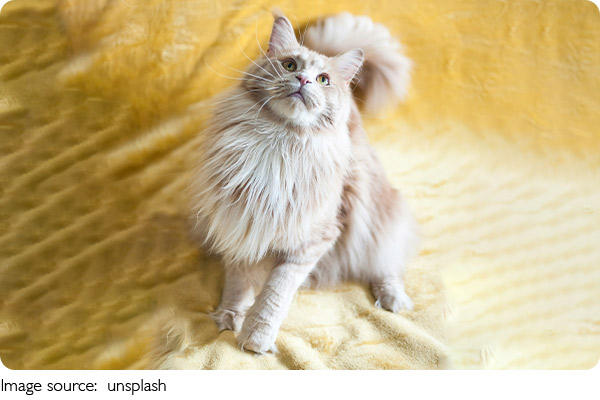
When a cat lies down comfortably with its tail tip slowly brushing the ground, it usually indicates deep relaxation. The body is loose, and the mind is calm.
This is often a perfect moment for interaction. Gentle petting along the back or side may be welcomed, and some cats might even roll slightly to show more comfort. It is a peaceful time when bonding feels natural and easy.
Strong Tail Flicking: A Clear Boundary Signal
A rapidly moving tail, especially when driven from the base, often signals irritation or discomfort. Unlike gentle movements, this type of motion is more intense and noticeable.
It usually means the cat has reached its limit in a situation. This could happen during long handling or unwanted touch. In such moments, it is important for us to pause and give the cat space. Respecting this signal helps maintain trust and prevents stress.
Puffed Tail with Arched Body: Feeling Alarmed
When a cat’s tail becomes fluffy and stands upright while the body arches, it often indicates a strong reaction to sudden change or surprise.
This posture is part of a protective response. The cat may feel unsure about its surroundings and is preparing to react quickly if needed. The best approach is to remain calm, avoid sudden movements, and help the cat move away from the triggering situation.
Tucked Tail Position: Seeking Safety and Comfort
A cat that keeps its tail tightly wrapped under its body, often while staying in a corner or hidden space, is showing vulnerability. This posture usually reflects discomfort or uncertainty.
In these moments, gentle support matters most. Soft voice tones, calm presence, and allowing the cat to stay in a quiet environment can help it regain confidence gradually. Respecting its space is key.
Helping Cats Express More Positive Tail Behavior
Understanding tail language is only part of building a stronger connection. Daily care and interaction also play a big role in shaping a cat’s emotional well-being.
- First, a balanced and satisfying diet supports overall comfort. Cats naturally prefer meals rich in animal-based ingredients. Offering nutritionally complete food with varied textures can help maintain energy and support steady emotional balance.
- Second, regular interaction is equally important. Spending even a short time each day playing with toys or engaging in light activity can significantly improve mood. Simple play sessions help reduce boredom and encourage more active, expressive behavior, including relaxed tail movement.
What Is Your Cat’s Most Common Tail Language?
Every cat has its own personality, and its tail tells a unique story every day. By paying attention to these subtle movements, we become more aware of their needs and emotions.
So, Lykkers, have you noticed which tail signals appear most often in your own cat? Observing closely might reveal more than we expect, and it can make our bond even stronger over time.