Flower Color Pairing

Nolan O'Connor
| 22-04-2026
 · Plant Team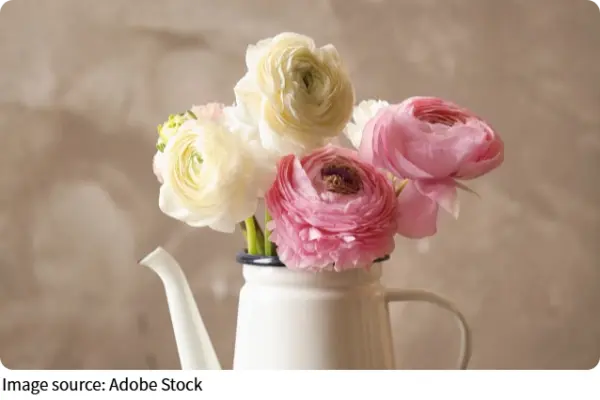
You don't need a professional background to notice when a bouquet feels “right.” Some arrangements instantly catch the eye, while others feel slightly off—even if the flowers themselves are beautiful.
The difference often comes down to color pairing, a subtle skill that can transform simple blooms into something visually striking.
Start with a Dominant Color
Every balanced arrangement begins with a clear visual anchor. Choosing one dominant color gives your bouquet direction and prevents it from looking chaotic.
This main color should take up the largest portion of the arrangement. For example, soft pink roses or bright yellow daisies can serve as the foundation. Once established, all other colors should support rather than compete with it.
Think of it as setting the tone before adding variation.
Use the Color Wheel as a Guide
The color wheel is a practical tool, even for beginners. It helps you understand which colors naturally work well together.
Here are three reliable approaches:
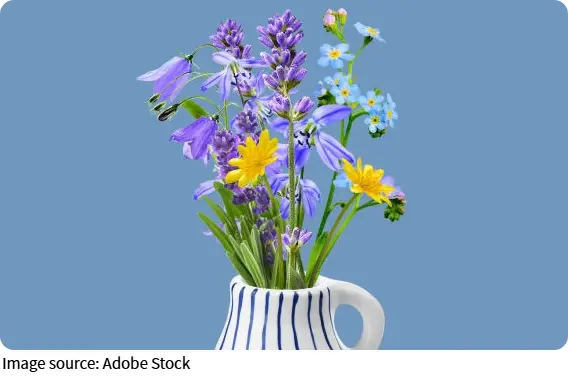
1. Complementary colors — Opposites on the wheel, like purple and yellow, create strong contrast
2. Analogous colors — Neighboring shades, such as pink, red, and orange, feel smooth and cohesive
3. Monochromatic tones — Variations of one color offer a calm and elegant look
Using these frameworks removes guesswork and gives your arrangement a structured feel.
Balance Bright and Soft Tones
Too many bold colors can overwhelm the eye, while too many muted tones may feel flat. The key is balance.
Pair vibrant flowers with softer shades to create depth. For instance, bright orange blooms can be softened with cream or pale peach accents. This contrast keeps the arrangement lively without becoming visually exhausting.
A good rule is to let bold colors stand out while softer tones provide space for the eye to rest.
Add Greenery for Natural Harmony
Green elements are more than just fillers—they act as a visual bridge between colors. Leaves and stems naturally soften transitions and make the arrangement feel cohesive.
Use greenery strategically:
1. Separate strong colors — Prevents clashing
2. Frame the bouquet — Adds structure and shape
3. Create breathing space — Enhances overall clarity
Even a small amount of green can significantly improve balance.
Consider the Setting
A bouquet doesn't exist in isolation. Its surroundings influence how colors are perceived.
Before finalizing your arrangement, think about where it will be placed. A bright bouquet may stand out beautifully in a neutral room but feel overwhelming in a colorful space. Similarly, soft tones may blend too much into pale backgrounds.
Adjust your palette so the flowers complement—not compete with—the environment.
Limit the Number of Colors
More colors don't always mean better results. In fact, limiting your palette often creates a stronger visual impact.
A simple structure works well:
1. One dominant color
2. One or two supporting colors
3. Greenery for balance
This approach keeps the arrangement focused and avoids unnecessary complexity.
Observe and Adjust
Color pairing improves with observation. After arranging your flowers, take a step back and evaluate the overall look.
Ask yourself:
• Does one color overpower the others?
• Are transitions between shades smooth?
• Is there enough contrast to keep it interesting?
Small adjustments—removing one stem or repositioning a color—can dramatically improve the final result.
In the end, matching flower colors is less about strict rules and more about developing a sense of balance. With a clear focal color, thoughtful combinations, and a bit of experimentation, even simple flowers can feel carefully curated. Over time, your eye naturally becomes sharper, and what once felt uncertain turns into an intuitive and creative process.