Art Placement Guide

Finnegan Flynn
| 03-04-2026
 · Lifestyle Team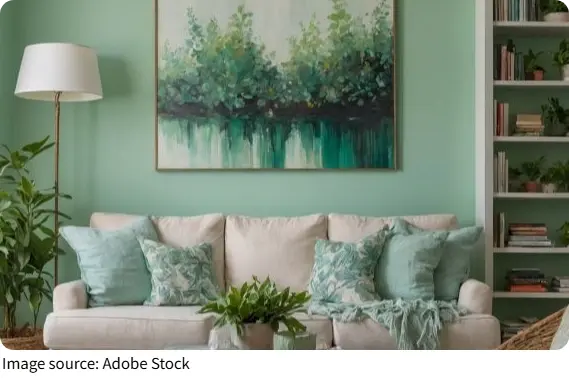
Art can completely transform the atmosphere of a room. Whether it's a bold, colorful painting or a subtle, monochromatic print, the right piece can set the tone for your entire interior.
But how do you decide where to place your art, and how can you ensure it complements the rest of your décor? Proper placement and thoughtful selection are key to making sure that your artwork enhances the room, rather than overwhelming it.
In this article, we'll explore effective strategies for arranging decorative art that enhances your living space and reflects your personal style.
Choose the Right Artwork for Your Space
Before you think about placement, the first step in arranging decorative art is choosing the right pieces that fit your room's theme and mood.
Match the Room's Theme: Consider the overall design of the room. If you have a minimalist aesthetic, choose simple and clean art that doesn't distract from the décor. For a more eclectic space, you might choose a variety of colors and styles to add interest and vibrancy.
Scale and Size: The size of the art piece should be in proportion to the wall and furniture it's being placed around. A large statement piece works well above a sofa or fireplace, while smaller pieces can be arranged in clusters for a more dynamic effect.
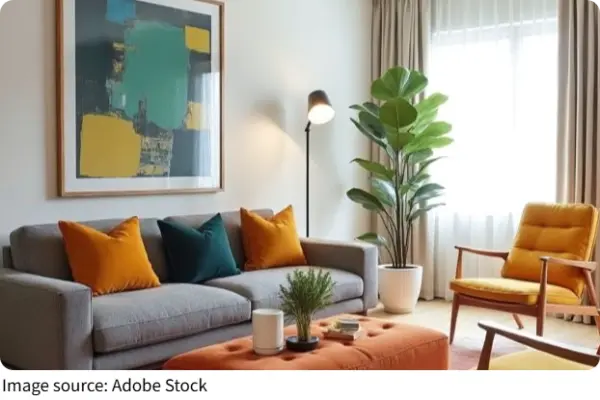
Color Palette: Choose artwork that complements the color scheme of your room. If your room has a neutral palette, you can add pops of color through your art. If the room is already colorful, opt for more subdued artwork that balances the room's intensity.
Optimal Placement: Finding the Perfect Spot
Where you place your artwork can make a huge difference in how the piece is perceived. Improper placement can make a room feel unbalanced or cluttered, while thoughtful placement can add harmony and flow.
Eye-Level Placement: As a general rule, artwork should be hung at eye level, which is typically around 57 to 60 inches from the floor. This makes the piece easy to appreciate and visually balanced with the rest of the room.
Over Furniture: Hanging art above furniture, such as sofas or console tables, is a common practice. Make sure the art is centered over the furniture and that there are a few inches of space between the top of the furniture and the bottom of the artwork.
Create a Gallery Wall: If you have multiple pieces of art, consider creating a gallery wall. This can be done by grouping art in a grid or organic arrangement. Ensure the spacing between frames is consistent for a cohesive look.
Balance and Symmetry: Creating Visual Harmony
When arranging artwork, balance is essential. Symmetry can create a sense of calm, while asymmetry can add dynamism and intrigue.
Symmetrical Arrangements: If you prefer a balanced, traditional look, place your art symmetrically on the wall. For example, two matching pieces placed on either side of a sofa can provide a sense of order and stability.
Asymmetrical Arrangements: If you enjoy a more modern or dynamic look, try arranging your artwork asymmetrically. This could mean using a series of smaller works or placing a single piece off-center to create visual interest. Mixing different sizes and styles can add to the charm.
Framing: The Finishing Touch
The right frame can elevate your artwork and tie the room together. The frame should complement both the art and the surrounding décor, so it's important to choose a frame that enhances, rather than detracts from, the piece.
Simple Frames: If the artwork is busy or colorful, opt for simple frames that don't compete with the art. A classic black, white, or wood frame works well with most pieces and blends seamlessly with various interior styles.
Statement Frames: For more minimalist art or photographs, a bold frame can make the artwork stand out. Consider gold, brass, or silver frames for a touch of luxury, or bold, colorful frames to add personality.
Consider Matting: Matting is the border around the artwork that separates it from the frame. This can be a subtle way to enhance the visual impact of the piece, particularly for smaller works.
Lighting: Highlighting Your Artwork
Proper lighting is crucial to showcasing your artwork. A well-lit piece of art will draw attention and become a focal point in the room, while poor lighting can make even the most beautiful piece seem lackluster.
Wall Sconces or Picture Lights: Consider using adjustable picture lights or wall sconces to illuminate your artwork. These lights can be angled to highlight specific pieces, making them stand out in the room.
Natural Light: While natural light can bring warmth and vibrancy to your artwork, be mindful of direct sunlight, which can cause fading over time. Place art away from windows or use sheer curtains or UV-filtering film to diffuse sunlight and protect your pieces.
Ambient Lighting: Soft ambient lighting can enhance the overall atmosphere of the room, adding warmth and depth to your art. Layer your lighting sources to create a balanced, welcoming effect.
Art as the Soul of Your Space
Arranging decorative art in your home isn't just about filling empty wall space—it's about creating an atmosphere that reflects your personality and enhances your living environment. By carefully selecting your artwork, considering placement, balancing symmetry, and using proper lighting, you can elevate your space into a gallery of your own. Whether you prefer classic elegance or modern chic, the right art arrangements can transform your home into a place of beauty, comfort, and inspiration.